
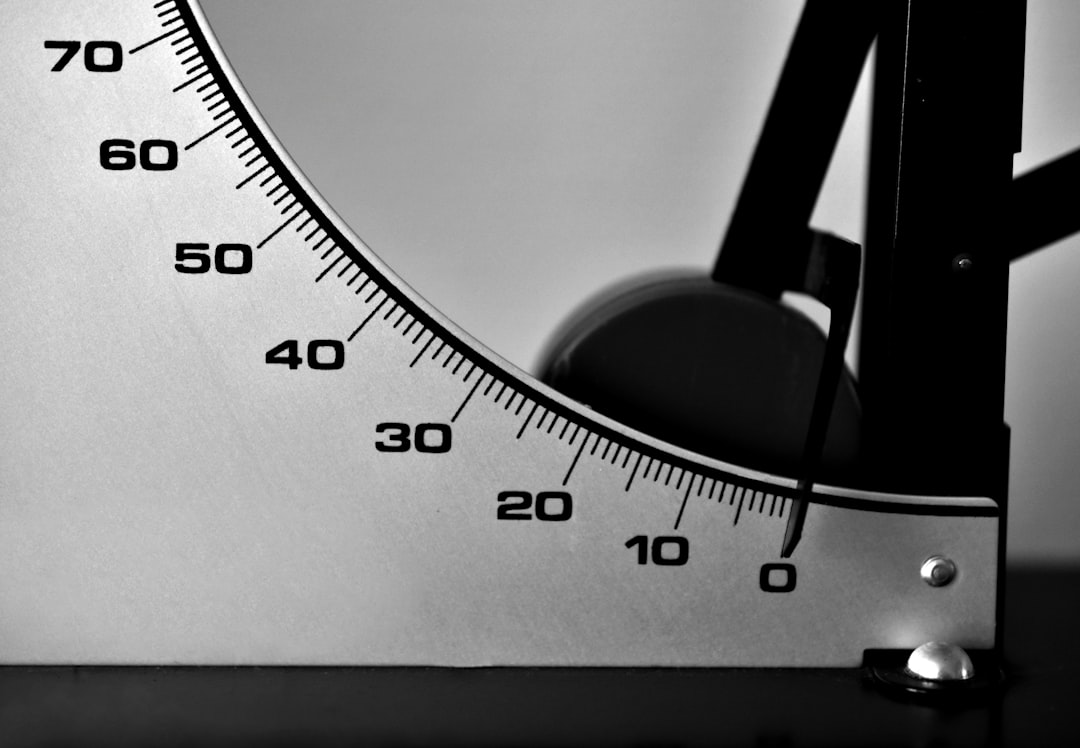
Accurate angular measurement supports a wide range of practical and creative activities, from woodworking and furniture assembly to technical installations and home improvement. Modern smartphone technology has introduced a convenient digital approach that makes angle checking more accessible in different environments. A Protractor can now be represented through responsive mobile measurement technology, allowing users to examine angular positions while benefiting from clear readings, flexible formats, and portable functionality.
What’s Covered
- Understanding Angles Through Digital Measurement
- Exploring Different Degrees of Measurement
- Supporting Slope-Based Projects
- A Practical Option for Carpentry
- Useful for Furniture and Interior Projects
- Responsive Sensors for Real-Time Adjustments
- Clear Visual Information
- Convenient Measurement Across Locations
- Multiple Formats for Greater Flexibility
- Building Confidence Through Repeated Checks
- Conclusion
Understanding Angles Through Digital Measurement
Angles describe the relationship between two directions or surfaces, making them important in many forms of project work. Digital measurement tools use smartphone orientation sensors to identify changes in position and convert them into readable information.
This approach gives users a direct reference when adjusting an object or evaluating a surface. Instead of depending only on visual estimation, measurements can guide the positioning process and provide useful confirmation along the way.
Exploring Different Degrees of Measurement
Angles can vary from very small adjustments to much wider positions, depending on the application. Digital measurement makes it possible to observe these changes as the smartphone moves.
Degree-based readings provide a familiar way to understand angular differences. They can be useful when positioning materials, checking furniture components, preparing angled structures, or completing detailed DIY work.
Supporting Slope-Based Projects
Angular measurement is also valuable when working with inclined surfaces. Ramps, roofing structures, pathways, landscaping features, and construction elements can all involve measurable slopes.
Digital tools can provide information through degrees as well as percentage grade, roof pitch, and inches per foot. These formats allow users to select the representation that best suits their project and measurement preferences.
A Practical Option for Carpentry
Woodworking often requires careful attention to the relationship between different components. Angled cuts, joints, shelves, frames, and furniture parts can benefit from precise positioning.
A smartphone-based measurement solution can provide a convenient reference during preparation and assembly. Rechecking angles at different stages can help maintain consistency and support a more organized workflow.
Useful for Furniture and Interior Projects
Furniture arrangement can involve more than simply placing objects in a room. Cabinets, desks, shelves, frames, and decorative elements may need to be aligned carefully for a balanced appearance.
Digital angle readings can assist with these adjustments by providing immediate information about orientation. This makes it easier to refine the position of an object without relying entirely on visual judgment.
Responsive Sensors for Real-Time Adjustments
Smartphone sensors can detect changes in orientation as the device moves. Digital measurement technology translates these movements into updated readings, allowing users to observe changes immediately.
This real-time response is particularly helpful during positioning tasks. A user can make a small adjustment, monitor the measurement, and continue refining the placement until the desired angle is achieved.
Clear Visual Information
Accurate data becomes more useful when it is presented in an understandable way. Clear visual guidance can complement numerical readings and help users recognize changes in orientation quickly.
Optional augmented-reality functionality can further enhance the experience by displaying measurement information in relation to the surrounding environment. This creates an interactive way to explore angles while keeping the measurement process accessible.
Convenient Measurement Across Locations
Smartphone-based measurement provides flexibility because the device can travel wherever the project takes place. Users can check angles at home, in a workshop, outdoors, or within a professional workspace.
This portability makes repeated measurements easier and supports a consistent approach across different project environments.
Multiple Formats for Greater Flexibility
Different applications may call for different measurement systems. Degrees are suitable for direct angular readings, while percentage grade can communicate slope in another practical form. Roof pitch and inches-per-foot formats provide additional options for suitable construction and home improvement tasks.
The availability of multiple formats allows users to work with information that matches the nature of their project.
Building Confidence Through Repeated Checks
Precise work often benefits from verification at several stages. Digital measurement makes it simple to check an angle during planning, adjustment, installation, and final review.
This repeatable process helps users maintain their intended positioning while making refinements whenever necessary. It also creates a practical connection between digital information and hands-on project work.
Conclusion
Digital protractor technology provides a convenient way to explore precise measurements across different angles. Responsive smartphone sensors, flexible measurement formats, visual guidance, and portable access can support carpentry, DIY activities, furniture positioning, home improvement, and construction-related tasks. By combining familiar angle-measuring principles with modern mobile technology, digital measurement offers a practical approach to understanding angular positions and achieving accurate project results.