
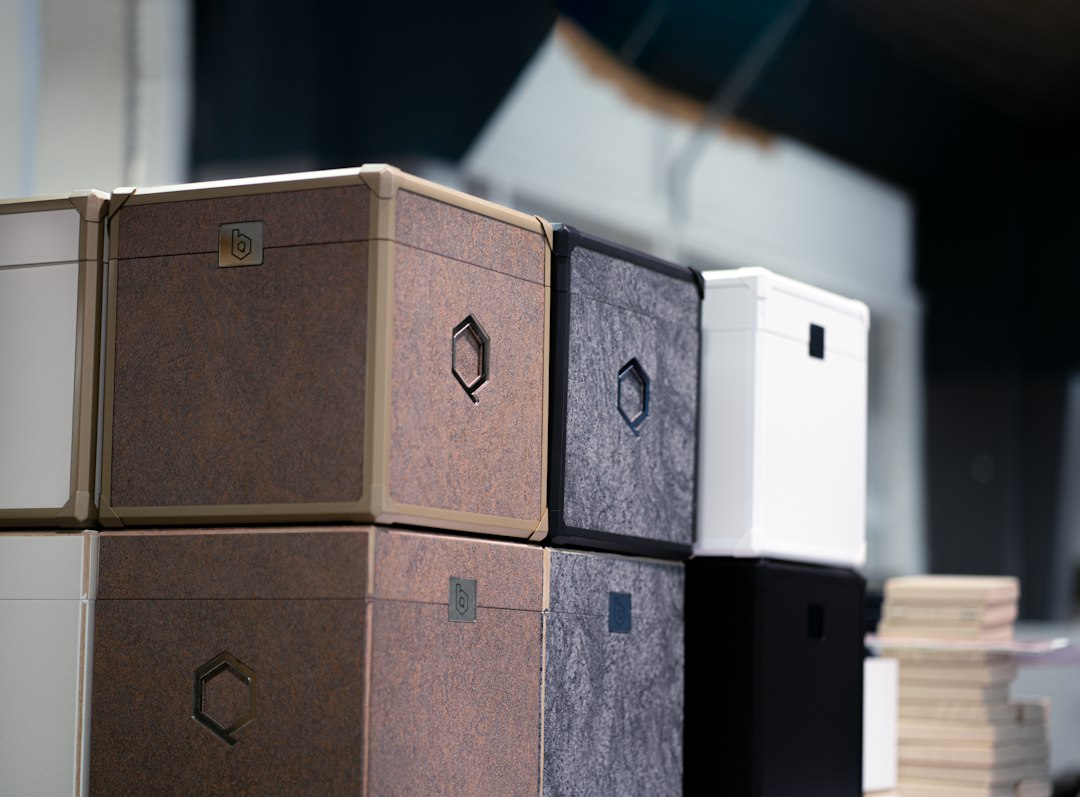
Sentimental possessions often become more meaningful as families grow and generations change. A handwritten letter, wedding photograph, inherited necklace, childhood keepsake, or family document can carry memories that cannot be measured by monetary value. Creating a thoughtful storage plan gives these belongings a defined place and helps families preserve their stories. private storage can offer a dedicated solution for selected possessions, combining organization, privacy, and long-term care in a way that supports family memories well beyond the present generation.
What’s Covered
- What Gives a Family Possession Lasting Significance?
- Which Sentimental Belongings Are Worth Preserving?
- How Can Families Create a Family Memory Collection?
- Why Is Documentation Important for Sentimental Items?
- How Can Families Protect Old Photographs?
- What Makes Heirloom Jewelry Special?
- Can Children’s Keepsakes Become Important Family Records?
- How Does Dedicated Storage Help During Home Changes?
- Can Several Generations Participate in Preservation?
- How Can Families Keep Their Collection Organized?
- What Role Does Privacy Play in Family Possession Storage?
- How Can Families Prepare Heirlooms for Future Generations?
- Why Does Sentimental Preservation Matter Over Time?
- Conclusion
What Gives a Family Possession Lasting Significance?
The importance of a sentimental item usually comes from the story connected to it. An old photograph may capture a family celebration, while a piece of jewelry may have passed through several generations.
Unlike ordinary household belongings, these objects often represent people, milestones, traditions, and shared experiences. Preserving them therefore involves protecting both the physical item and the information surrounding its history.
Which Sentimental Belongings Are Worth Preserving?
Families can preserve many different types of meaningful possessions. Common examples include family photographs, handwritten correspondence, heirloom jewelry, medals, certificates, children’s keepsakes, historical documents, and small objects connected to important occasions.
The ideal collection does not need to be large. Even a small group of carefully selected items can represent decades of family history. Choosing possessions based on emotional significance can help create a meaningful personal archive.
How Can Families Create a Family Memory Collection?
A family memory collection can begin with identifying possessions that have a clear connection to family history. Items can then be grouped according to people, events, generations, or categories.
For example, photographs can be arranged chronologically, while letters may be organized according to family member or period. Jewelry and other physical heirlooms can receive individual descriptions explaining their origin and significance.
This approach transforms scattered belongings into an organized collection with a recognizable story.
Why Is Documentation Important for Sentimental Items?
A physical object can survive while its story gradually becomes forgotten. Documentation helps prevent that from happening.
Families can record names, dates, locations, relationships, and memories connected to individual possessions. A short written description can explain why a photograph matters or how a particular heirloom entered the family.
Digital photographs and scanned copies can also complement original materials. Together, these records create a richer family archive.
How Can Families Protect Old Photographs?
Photographs can become especially valuable as they age because they may be the only visual record of particular relatives or events. Careful organization can help families maintain these memories for the future.
Photographs can be kept in appropriate protective sleeves or archival-quality albums. Labeling the people, dates, and events represented in each photograph adds important context without requiring frequent handling of the originals.
What Makes Heirloom Jewelry Special?
Jewelry often combines financial value with strong emotional connections. Engagement rings, watches, bracelets, necklaces, and other inherited pieces may represent marriages, anniversaries, family traditions, or personal achievements.
Families can document each piece with photographs and written descriptions. Recording who previously owned an item and when it was passed down can make its history easier for younger generations to understand.
Can Children’s Keepsakes Become Important Family Records?
Absolutely. Items associated with childhood can become surprisingly meaningful over time. School certificates, handwritten notes, artwork, small toys, awards, and other keepsakes can provide a personal record of family growth.
Because these objects can accumulate quickly, families can select the most meaningful examples instead of keeping everything. A carefully curated collection can preserve childhood memories while remaining manageable.
How Does Dedicated Storage Help During Home Changes?
Families may move homes, renovate rooms, or reorganize their living spaces over the years. During these transitions, sentimental possessions can benefit from having an established storage location.
A dedicated arrangement reduces the need to repeatedly move fragile or valuable keepsakes between temporary boxes and household storage areas. It also provides families with a consistent reference point when organizing their belongings.
Can Several Generations Participate in Preservation?
Family preservation becomes more meaningful when different generations contribute. Older relatives can provide stories and background information, while younger family members can help create digital records or organize photographs.
This shared process can turn storage into an opportunity for family connection. Recording stories directly from relatives can preserve details that may not appear in formal documents.
How Can Families Keep Their Collection Organized?
Organization works best when every item has a clear identity and location. Families can maintain a simple inventory containing descriptions, photographs, dates, and information about each possession.
Collections can be divided into categories such as photographs, jewelry, documents, letters, and childhood memories. A periodic review can help families add new heirlooms and update information as family circumstances change.
What Role Does Privacy Play in Family Possession Storage?
Sentimental collections can contain personal photographs, private correspondence, and documents connected to family history. Some families may prefer to keep these materials accessible only to trusted individuals.
A dedicated private storage arrangement can provide a clear boundary around these possessions. Families can establish their own access preferences while maintaining an inventory that identifies the collection without requiring every item to be physically handled.
How Can Families Prepare Heirlooms for Future Generations?
Preparation should focus on both preservation and understanding. Physical items can be placed in suitable protective materials, while written records can explain their background.
Families can also identify trusted individuals who understand the collection and its significance. Clear documentation makes future transitions smoother and helps ensure that meaningful possessions continue to be recognized as family treasures.
Why Does Sentimental Preservation Matter Over Time?
The emotional value of family possessions often increases as memories become more distant. A letter written decades ago or a photograph of relatives from another generation can provide a tangible connection with the past.
Preservation allows these connections to remain available. Rather than allowing meaningful objects to become forgotten among ordinary belongings, families can give them a deliberate place within their long-term family history.
Conclusion
Sentimental possessions represent the experiences, relationships, and traditions that shape a family over time. A thoughtful private storage strategy can help protect photographs, letters, jewelry, certificates, keepsakes, and other meaningful belongings while keeping their stories properly documented. Through careful organization, protective handling, family participation, and regular reviews, these possessions can become a lasting family archive that connects present and future generations with the memories that came before them.