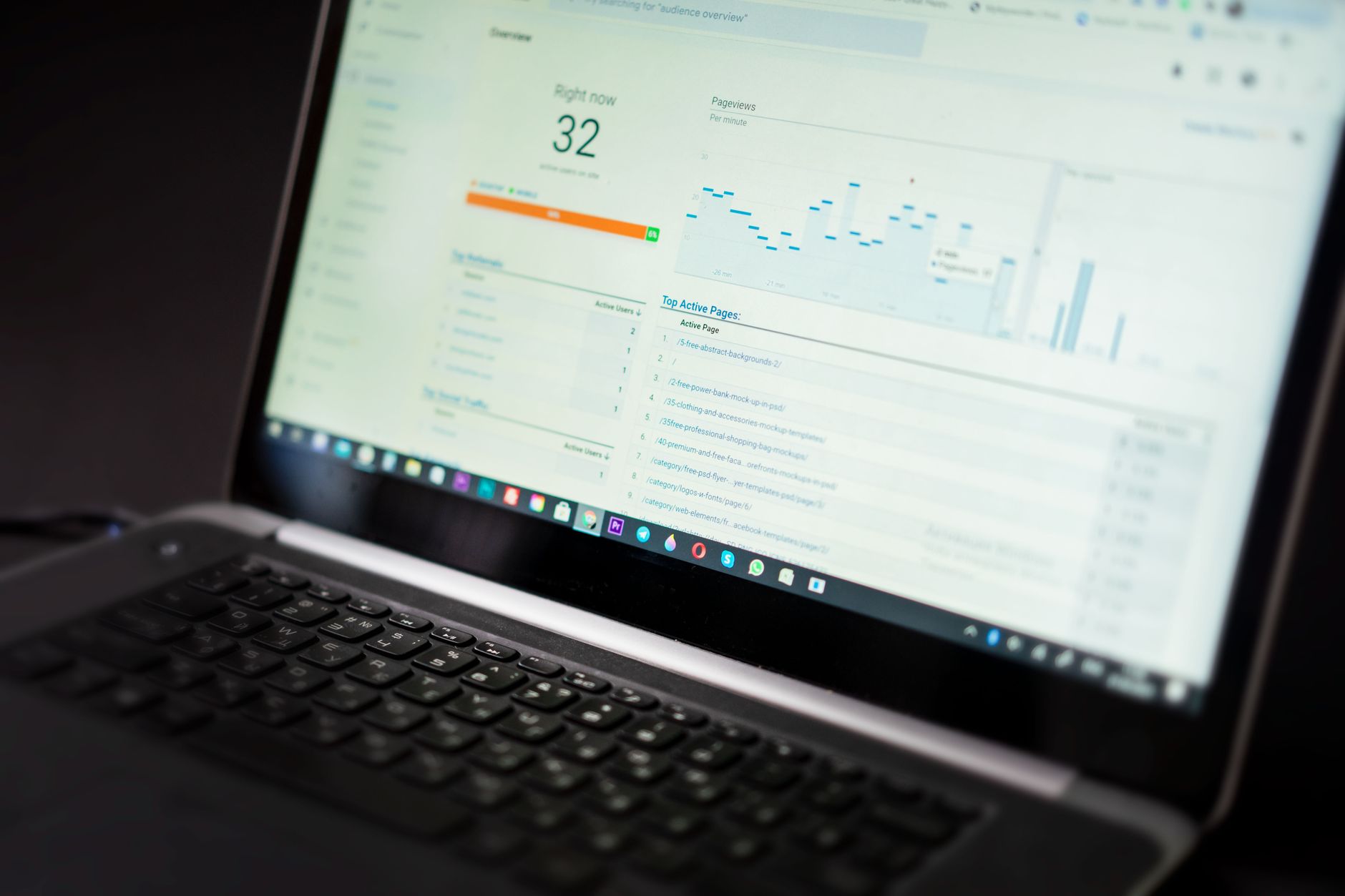
Commercial security is increasingly influenced by the quality of information available to property managers and business owners. Instead of relying on a single alarm or camera, organizations can evaluate several security indicators across entrances, employee access, video activity, alarms, and building operations. Business security systems can bring these elements together, helping businesses develop a clearer understanding of routine activity and unusual events.
What’s Covered
- Entry Activity Is a Valuable Indicator
- Camera Events Provide Operational Context
- Alarm Activity Helps Identify Exceptions
- Security Coverage Should Follow the Property
- Environmental Conditions Are Also Relevant
- Multi-Site Businesses Need Centralized Oversight
- Integration Creates More Meaningful Data
- A Practical Approach to Commercial Security
Entry Activity Is a Valuable Indicator
Every commercial property has expected patterns of movement. Employees arrive during scheduled periods, customers enter through designated areas, and contractors may require temporary access. When access control is properly configured, businesses can review these patterns and identify activity that does not match established permissions.
Modern systems may support mobile credentials, employee schedules, and temporary contractor access. These functions create a structured approach to controlling doors while also producing useful information for security reviews.
Camera Events Provide Operational Context
A security camera can do more than record an event. Depending on the equipment and configuration, video technology can help businesses understand visitor movement, occupancy, busy areas, and customer queues.
This creates a wider operational perspective. A manager may want to know not only whether an entrance was accessed, but also what happened around that event. Linking supported door activity with related camera footage can make investigations more organized and provide additional context when reviewing security incidents.
Alarm Activity Helps Identify Exceptions
Alarm systems are designed to highlight events that require attention. Commercial alarms can protect important areas such as entrances, stockrooms, and workspaces. When alarm information is connected with other security tools, personnel can have more context when determining what happened.
Monitoring can provide another layer of support outside normal business hours. Depending on the selected service, alarm signals or supported video events can reach monitoring personnel for assessment and escalation according to an established response plan.
Security Coverage Should Follow the Property
Not every commercial building has the same security requirements. A retail location may focus heavily on customer entrances and transaction areas, while a warehouse may require attention around loading zones, storage areas, and perimeter access. Manufacturing environments can have additional operational considerations.
For this reason, security planning should begin with the property itself. A site assessment can examine existing equipment, wiring, network conditions, access points, and areas where visibility needs improvement. This approach helps businesses make technology decisions based on actual requirements rather than adopting an identical setup for every location.
Environmental Conditions Are Also Relevant
Commercial security can extend beyond unauthorized entry. Suitable connected sensors may provide information about environmental conditions in areas such as server rooms, refrigerators, or freezers. Temperature alerts can help staff identify conditions that require attention before they create operational problems.
This illustrates how security infrastructure can support broader property awareness. When compatible building technologies are integrated, businesses may manage selected security and environmental functions from a connected platform.
Multi-Site Businesses Need Centralized Oversight
Organizations with multiple locations often need a practical way to manage security information across properties. Shared management views can help authorized users check site status, organize locations, and provide appropriate access to regional managers and local staff.
Centralized oversight does not remove the need for location-specific planning. Instead, it provides a structured framework for managing different sites while maintaining appropriate permissions and equipment configurations.
Integration Creates More Meaningful Data
The real value of modern commercial security comes from how different technologies work together. Cameras, alarms, access control, intercoms, sensors, and building controls can provide separate information, but integration can make that information easier to interpret.
A professional security strategy therefore considers both equipment and data flow. Businesses should understand what information is generated, who needs access to it, and how events should be handled.
A Practical Approach to Commercial Security
Security planning should be treated as an ongoing process rather than a one-time installation. Businesses can review access permissions, camera coverage, alarm activity, system performance, and operational requirements as their properties change.
A structured assessment provides a useful starting point for determining what should be installed, integrated, maintained, or upgraded. By focusing on measurable activity and relevant security indicators, commercial properties can build systems that support visibility, controlled access, and informed decision-making across everyday operations.