
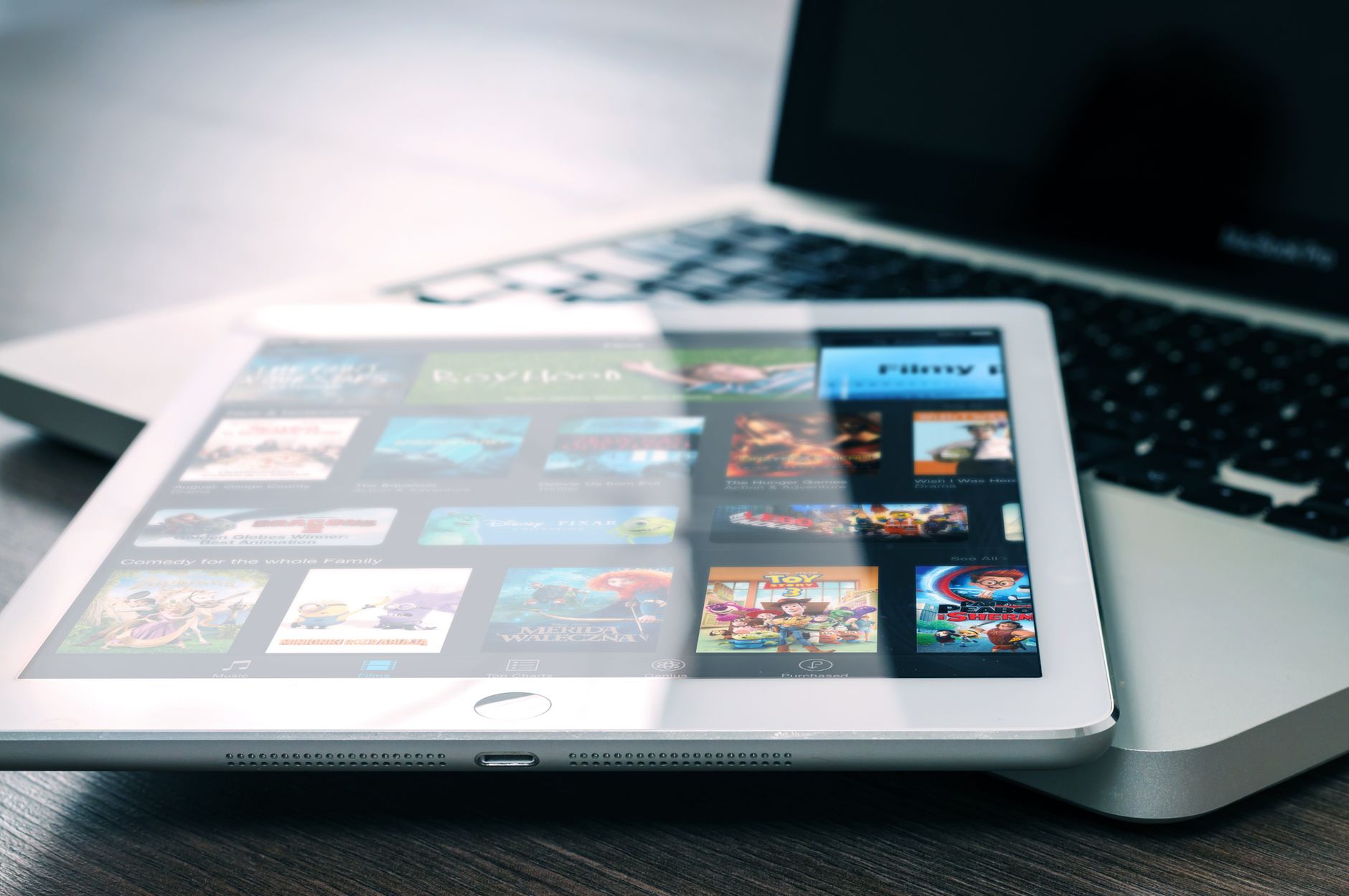
Television habits have changed as households increasingly use internet-connected devices for entertainment, information, and everyday viewing. Traditional broadcast schedules remain useful, but many viewers now prefer having more control over when and where they watch content. IPTV is one technology supporting this change by delivering television programmes through internet protocol networks. It provides a digital approach to accessing live channels and selected video content, depending on the service, subscription, and compatible equipment.
What Is Digital Television?
Digital television refers to the delivery and presentation of television content in a digital format rather than through older analogue transmission methods. IPTV is a specific form of digital television that uses internet protocol technology to transmit video over networks.
Traditional television commonly relies on terrestrial antennas, satellite signals, or cable infrastructure. IPTV uses data networks to deliver content to supported devices. This allows viewers to access programmes through an internet connection, although the exact delivery method and network requirements vary between services.
The technology can support live television, recorded programmes, and video-on-demand libraries. These options provide different viewing experiences within a connected entertainment environment.
How IPTV Supports Modern Viewing Habits
Modern households often have varied schedules and entertainment preferences. Some viewers enjoy watching live news or sports, while others prefer films, documentaries, and series that can be selected at convenient times.
Internet-based television can accommodate these preferences through different content formats. Live channels provide scheduled programming, while on-demand libraries allow users to choose from available titles without following a fixed broadcast timetable.
Certain services also include catch-up television, giving viewers access to selected programmes after their original transmission. These features can be useful for people who cannot always watch content at its scheduled time.
Access Across Multiple Devices
Device flexibility is another characteristic of internet-based television. Depending on the service, content may be accessible through:
Smart televisions with compatible applications.
Streaming devices connected to television screens.
Smartphones and tablets.
Desktop computers and laptops.
Dedicated receivers designed for internet television.
This range of options can make digital entertainment more convenient. However, not every service supports every device. Viewers should check application availability, operating system requirements, and subscription restrictions before selecting a platform.
Interactive Features and Navigation
Digital television interfaces can provide features that make content easier to discover and manage. Electronic programme guides display channel schedules and programme details, helping viewers identify upcoming broadcasts.
Search tools and category filters can simplify browsing, particularly when a service includes a large content library. Some platforms also provide subtitles, language preferences, parental controls, and playback functions.
The availability of these features varies. A straightforward interface, responsive menus, and clear programme information can improve the overall viewing experience without making navigation unnecessarily complicated.
Internet Connection and Viewing Quality
Because IPTV relies on network delivery, internet performance is an important consideration. Streaming quality depends on available bandwidth, connection stability, network congestion, and device capabilities.
High-definition and ultra-high-definition video generally require more bandwidth than standard-definition content. If several household members stream simultaneously, the available connection may become a limiting factor.
A wired Ethernet connection can offer stable performance for stationary televisions. For wireless viewing, suitable router placement and a reliable Wi-Fi signal can help reduce interruptions.
Responsible Service Selection
Choosing a digital television service requires attention to more than channel variety. Consumers should review subscription terms, supported devices, privacy policies, and the provider’s rights to distribute its content.
Avoid services with unclear payment conditions, suspicious applications, or unrealistic content promises. Using trusted software, secure passwords, and updated devices can also improve digital security.
Digital Television and the Future of Entertainment
IPTV reflects a broader movement towards flexible, connected entertainment. Its ability to combine live programming, on-demand content, and multi-device access supports changing household preferences.
Understanding the technology, checking compatibility, and maintaining a reliable internet connection can help viewers make practical decisions. With suitable equipment and legitimate access, digital television can provide a convenient addition to modern entertainment habits.


